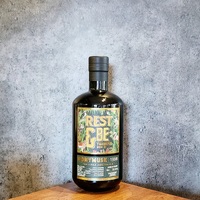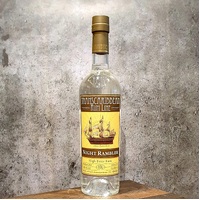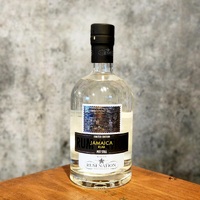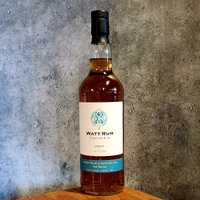
Jamaican Rum
Jamaican Rum
Jamaica produces some of the most distinctive and characterful rum in the world. Known for powerful aromas, long fermentations and traditional pot still distillation, Jamaican rum has developed a reputation among enthusiasts for its bold flavour profile and unique production methods.
Unlike rhum agricole from Martinique or cane spirits from Haiti, Jamaican rum is traditionally distilled from molasses, a by-product of sugar production. Through extended fermentation and specialised distillation techniques, producers create rums with remarkable aromatic intensity often described as high ester rum.
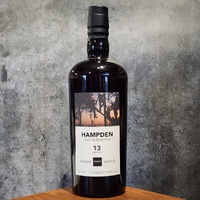
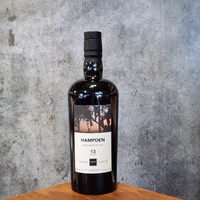
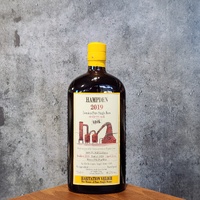
Today Jamaica remains one of the most respected rum-producing regions in the Caribbean, with distilleries such as Hampden Estate gaining global recognition for their traditional production methods and distinctive house style.
The Jamaican Rum Tradition
Rum production in Jamaica dates back to the 17th century when sugar plantations first began distilling spirits from molasses. Over time, Jamaican distillers developed fermentation and distillation practices designed to produce extremely aromatic rums used historically both for local consumption and for blending in European rum houses.
These production techniques include long fermentations, the use of dunder (residue from previous distillations), and fermentation cultures maintained in so-called muck pits. These methods encourage the formation of esters — aromatic compounds responsible for the intense fruit-driven character often associated with Jamaican rum.
The resulting spirits can display bold notes of pineapple, banana, tropical fruit, spice and savoury complexity, making Jamaican rum one of the most recognisable styles in the category.
Pot Still Distillation
Many Jamaican distilleries rely heavily on traditional copper pot stills rather than modern column stills. Pot still distillation preserves the heavier aromatic compounds created during fermentation and contributes to the rich texture and complexity of the final spirit.
Some Jamaican distilleries also produce rum on column stills, but the island’s reputation is strongly tied to pot still production and the intense flavour profiles it produces.
Jamaican Rum Marks
One of the distinctive features of Jamaican rum production is the use of marks. A mark refers to a specific rum style produced by a distillery, defined primarily by its ester level and fermentation method.
These marks were historically used by rum merchants and blenders to specify the type of rum they required for blending.
At Hampden Estate, for example, several traditional marks are produced, ranging from relatively moderate ester levels to extremely aromatic styles. These marks help define the flavour intensity of the rum and play a key role in Jamaican rum classification.
Hampden Estate
Hampden Estate is one of the most respected rum distilleries in Jamaica and a leading reference point for traditional Jamaican rum production. Founded in the 18th century in the Trelawny region of the island, Hampden has maintained many historic production methods that are rarely seen elsewhere in the rum industry.
The distillery uses wild fermentation, dunder, and long fermentation periods before distilling its rum in traditional copper pot stills. These methods produce rums with powerful aromatic intensity and exceptional complexity.
For many years Hampden produced rum primarily for export and blending, but in recent decades the distillery has begun releasing its own bottlings, allowing drinkers to experience the character of Hampden rum in its pure form.
Velier and the Modern Jamaican Rum Revival
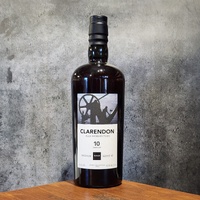
The international recognition of Jamaican rum has been strongly influenced by the work of Velier and rum expert Luca Gargano. Velier helped introduce full-proof, single-distillery bottlings that showcased the authentic character of Caribbean rum without dilution or additives.
Through collaborations with Hampden Estate, Velier released a series of influential bottlings that highlighted the intensity and complexity of Jamaican rum. These releases helped establish Hampden as one of the most respected distilleries among rum enthusiasts.
Velier’s philosophy of transparency — including disclosure of distillation methods, ageing and ester levels — has played an important role in the modern appreciation of Jamaican rum.
Independent Bottlers
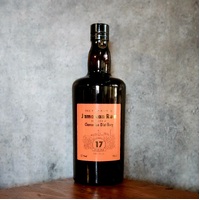
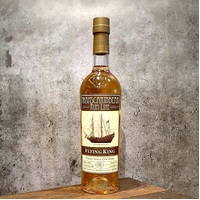
Jamaican rum is also widely represented through independent bottlers who select individual casks from distilleries and release them under their own labels.
Notable independent bottlers include:
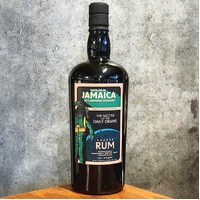
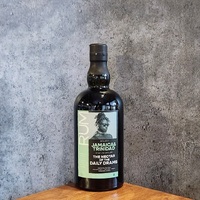
- The Nectar – Daily Drams, a Belgian bottler known for selecting expressive casks from distilleries around the Caribbean.
- La Maison du Whisky, a French specialist retailer and bottler responsible for numerous exclusive rum selections.
- Velier, whose bottlings have helped elevate the profile of Jamaican rum among enthusiasts worldwide.
These independent releases often showcase unique cask selections, higher strengths and distinctive ageing profiles.
Flavour Profile
Jamaican rum is known for its powerful aromatic profile. While each distillery and mark has its own character, common flavour notes include:
- ripe tropical fruit such as pineapple and banana
- fermented fruit and citrus peel
- spice and molasses richness
- funky, savoury complexity often described as “hogo”
- deep oak and dried fruit in aged expressions
This bold flavour profile makes Jamaican rum particularly appealing to enthusiasts looking for expressive spirits with strong distillate character.
Jamaican Rum at Casa de Vinos
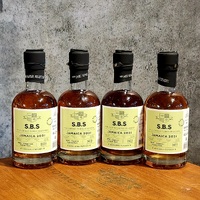
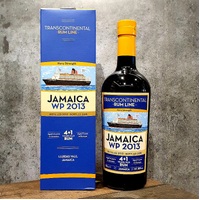
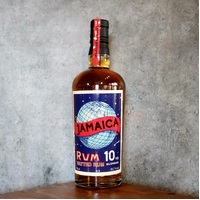
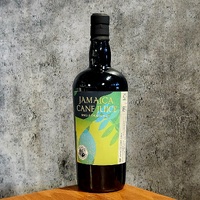
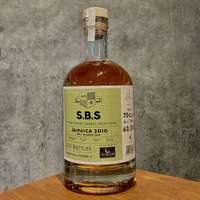
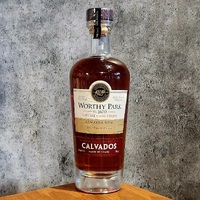
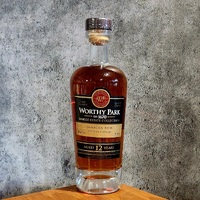
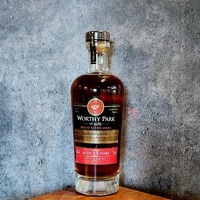
Casa de Vinos offers a selection of Jamaican rum including releases from Hampden Estate and independent bottlers such as Velier, The Nectar – Daily Drams and La Maison du Whisky.
You can explore the range online or experience Jamaican rum by the glass at the Casa de Vinos Lounge in South Melbourne.
For wholesale or trade enquiries please contact wholesale@casadevinos.com.au.