Neisson and the Vernant Family – Precision, Scale and Martinique Rhum
Author: Jose Dymenstein Date Posted:18 March 2026
Neisson and the Vernant Family – Precision, Scale and Martinique Rhum
In Martinique, scale does not always define influence. Some of the most respected rhum producers on the island are also among the smallest. Neisson is a clear example — a family-owned distillery that has built a reputation for precision, consistency and a strong sense of place.
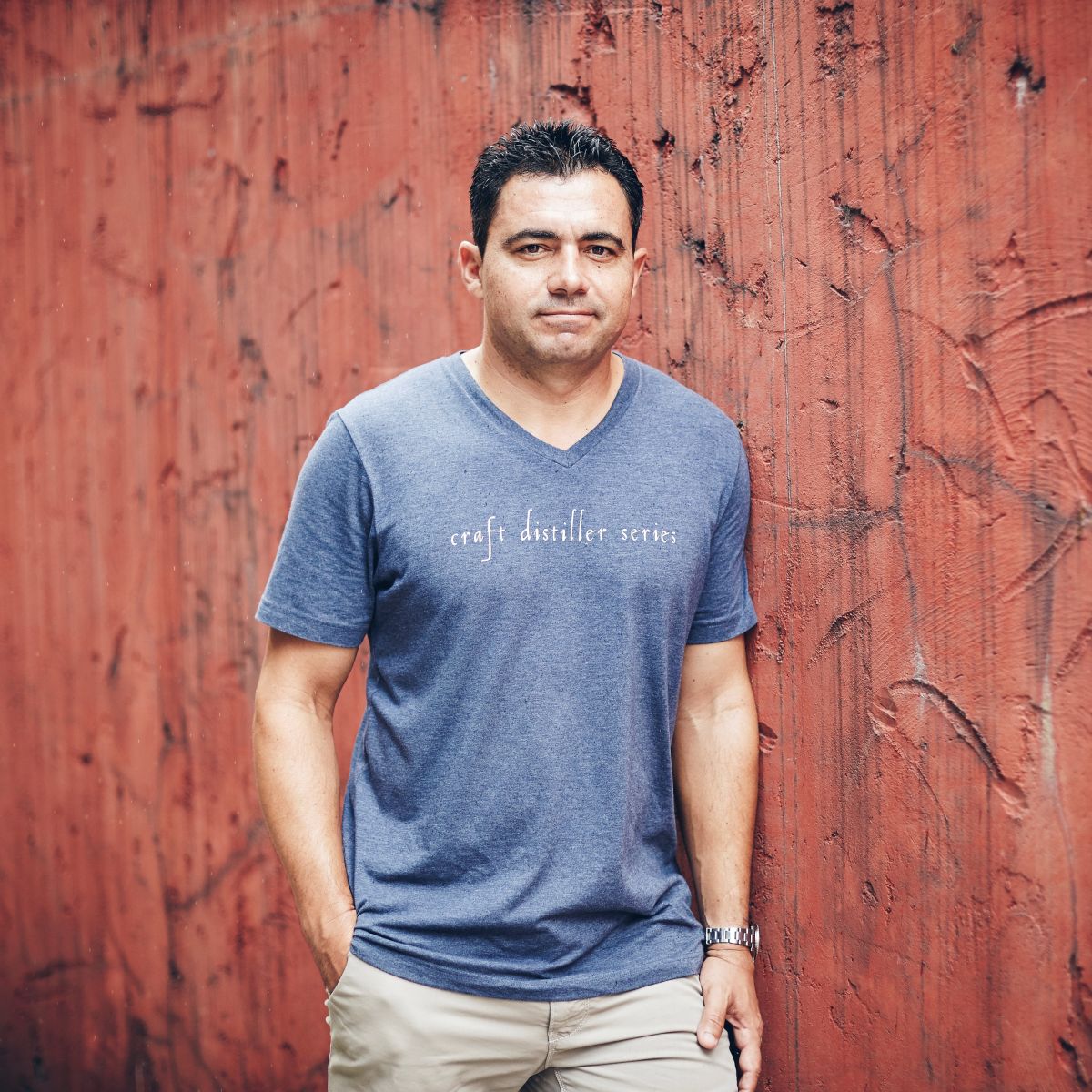
Today, that direction is shaped by Grégory Vernant, who represents the third generation of the family. Under his leadership, Neisson has maintained its traditional production methods while refining its approach to cane, fermentation and maturation.
If you want to understand why Neisson matters, it helps to look beyond scale and focus on how the distillery works.
A Small Distillery with Clear Intent
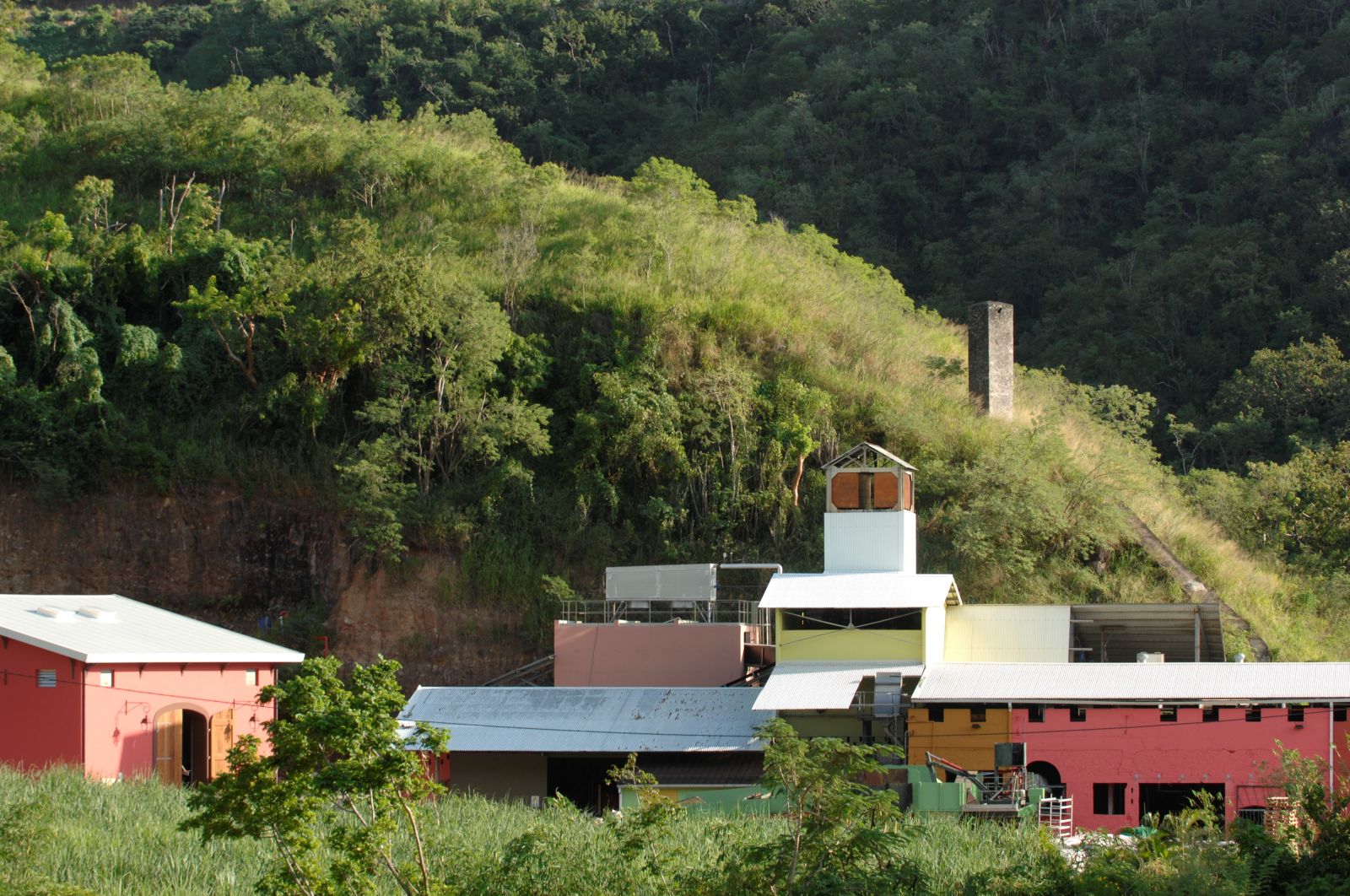
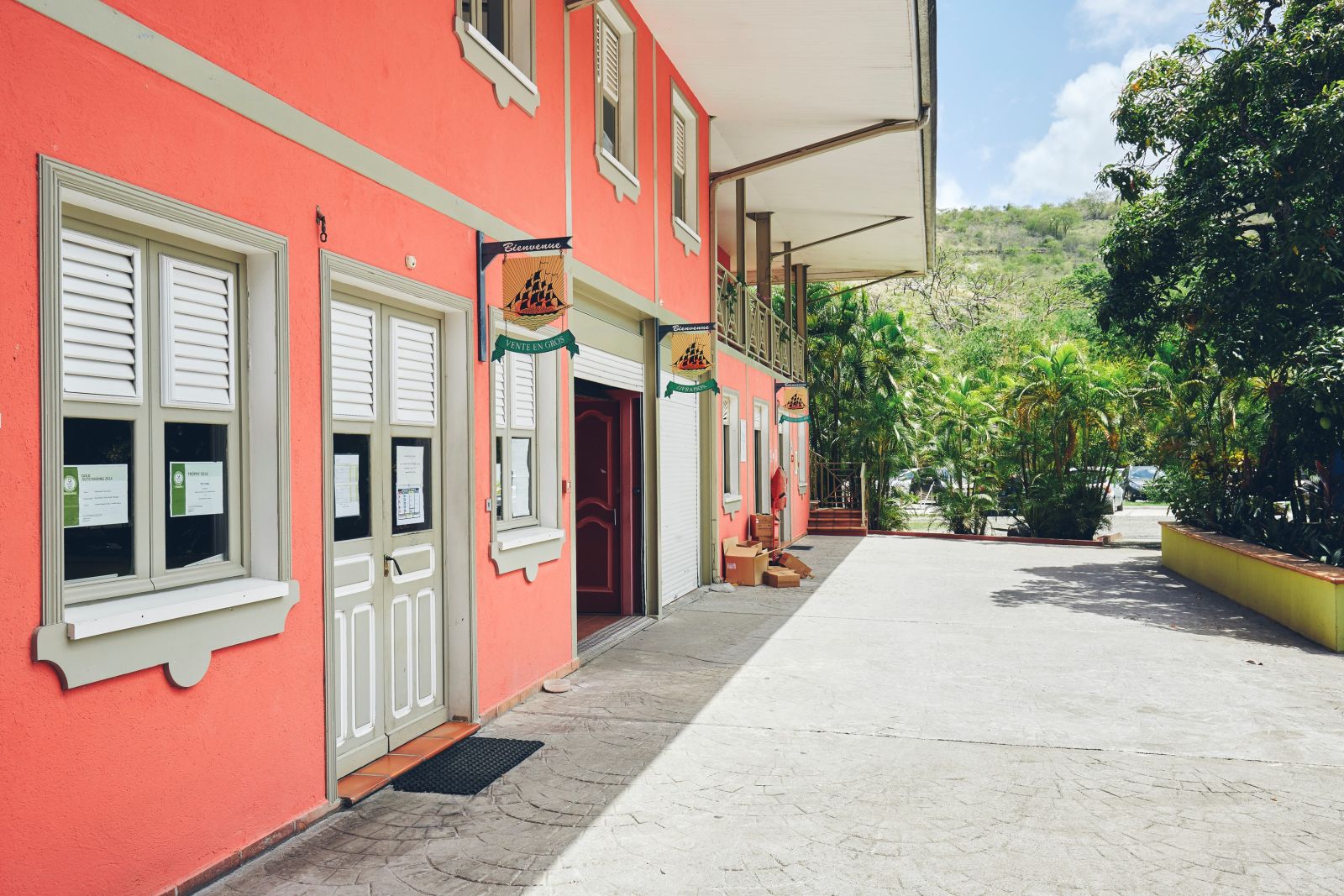
Neisson was founded in 1931 in Le Carbet, on the north-west coast of Martinique. Unlike larger producers, the distillery operates at a relatively small scale, which allows for closer control over each stage of production.
The focus is not on volume. It is on clarity — of raw material, fermentation and distillation.
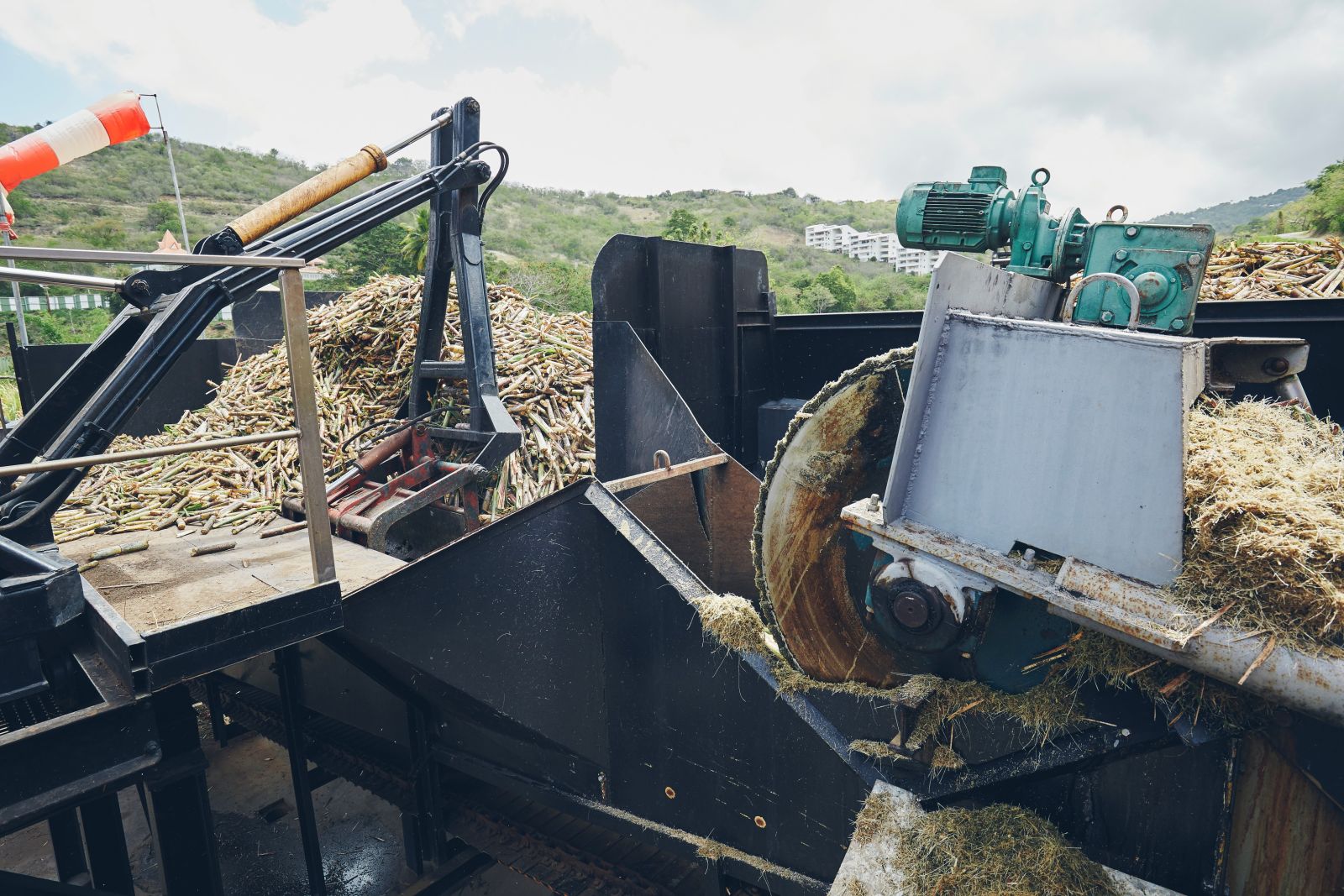
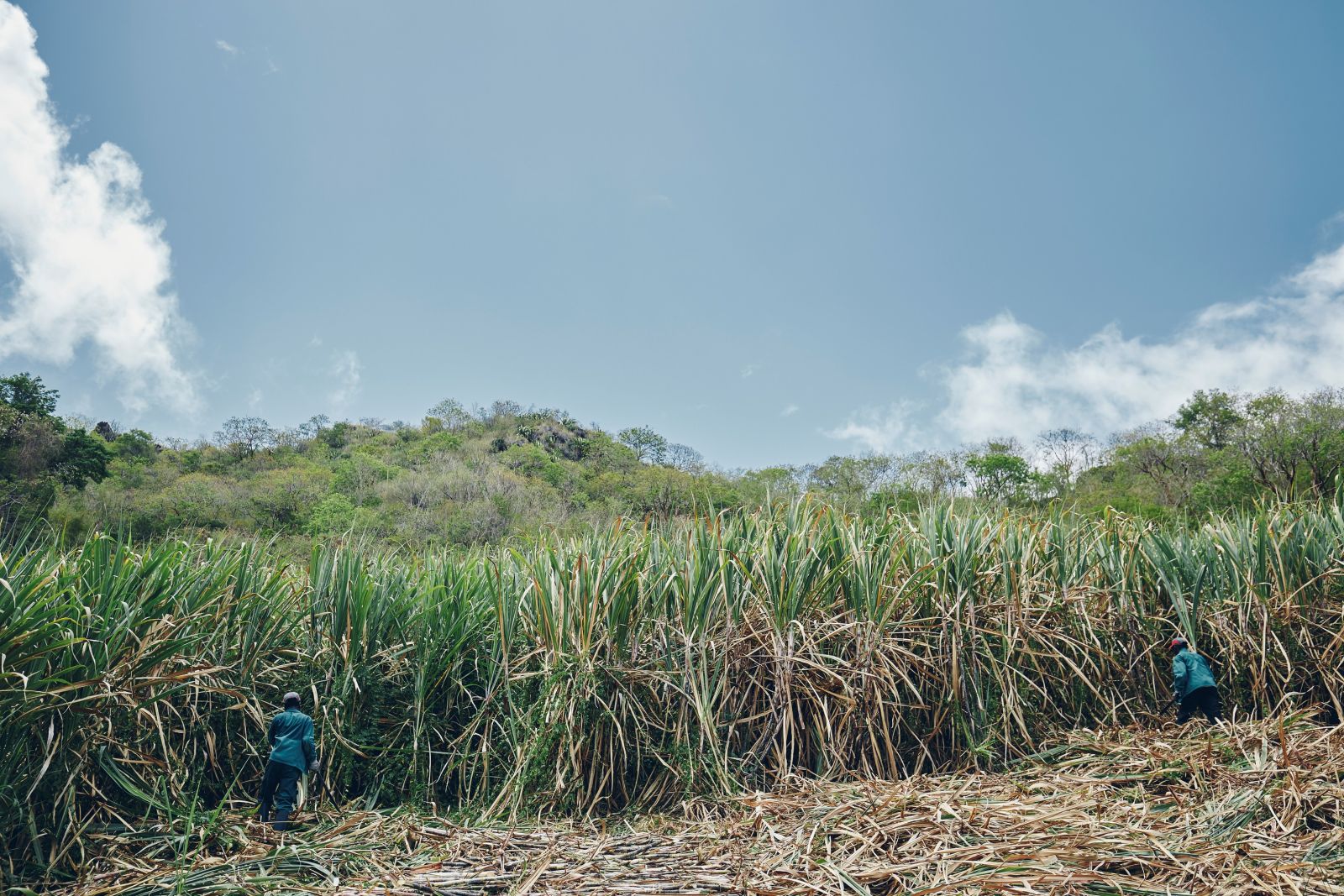
Much of the cane used at Neisson is grown locally on volcanic soils influenced by Mount Pelée. This matters in rhum agricole, where the spirit is distilled from fresh cane juice rather than molasses. The agricultural input is not neutral — it defines the final profile.
You can explore the full background on our Neisson brand page.
Grégory Vernant’s Role
Grégory Vernant took over management of the distillery in the early 2000s and has since refined its direction without changing its fundamentals.
His approach is measured rather than disruptive. Instead of reworking the distillery, the focus has been on tightening production: improving cane selection, managing fermentation more precisely and continuing to develop Neisson’s maturation programme.
Under Vernant, Neisson has also taken a more active position in sustainability and organic production, particularly through releases such as Le Bio. This reflects a broader interest in preserving the agricultural integrity of rhum agricole rather than industrialising it.
Distillation and Style
Like all AOC Martinique producers, Neisson distils on a Creole column still. What sets the distillery apart is how that still is run.
The objective is not to maximise yield, but to retain aromatic definition. Fermentation is controlled to preserve freshness, and distillation is tuned to produce a spirit that is precise rather than heavy.
The result is a style that is often described as:
- clean and focused
- driven by fresh cane and citrus
- mineral and structured
- balanced rather than overtly intense
Compared to other Martinique producers, Neisson tends to sit on the more precise and restrained end of the spectrum, without losing depth.
The Range – From Blanc to Aged Rhum
Neisson’s range follows the traditional structure of Martinique rhum agricole, moving from unaged rhum blanc through to aged expressions matured in oak.
For most drinkers, the entry point is the blanc.
The Neisson Dekolaj 52.5% is a good example of the house style — direct, aromatic and structured, with clear cane character and a dry finish. It works equally well neat or in simple serves where the spirit remains the focus.
The organic release, Neisson Le Bio 52.5%, shows a slightly different expression of the distillery, with a softer texture but the same underlying precision.
As the rhum moves into oak, the profile develops additional layers without losing its core identity. The Neisson Le Vieux introduces spice, vanilla and structure while maintaining the clarity that defines the distillery.
Casa de Vinos is the exclusive importer of Neisson in Australia. For venues and retailers interested in working with the range, you can apply via our wholesale application or contact wholesale@casadevinos.com.au.
Why Neisson Matters
In a category that includes larger producers and more commercially scaled operations, Neisson offers a different perspective. It shows what rhum agricole can be when production remains tightly controlled and closely tied to agriculture.
Grégory Vernant’s role has been to maintain that position — not by changing the distillery, but by refining it.
For drinkers, that means consistency. The profile remains recognisable across the range, whether in blanc or aged form.
Tasting Neisson
Rhum agricole is best understood through comparison. Tasting different producers side by side quickly reveals how production choices influence flavour.
Neisson is often one of the easiest distilleries to recognise once you become familiar with the style — not because it is louder, but because it is more defined.
You can experience Neisson and other rhum agricole producers by the glass at the Casa de Vinos Lounge in South Melbourne, or explore the range online.
Wholesale and Trade
Casa de Vinos is the exclusive importer of Neisson in Australia. For venues and retailers interested in working with the range, you can apply via our wholesale application or contact wholesale@casadevinos.com.au.