Haitian Rhum
Haitian Rhum
Haiti is home to one of the most distinctive rum traditions in the Caribbean. While much of the global rum industry focuses on molasses-based spirits, many Haitian producers distil rum directly from fresh sugar cane juice. This agricultural approach creates highly aromatic spirits that reflect the land, cane varieties and fermentation traditions of the region.
Although Haitian cane spirits share some similarities with rhum agricole from the French Caribbean, Haiti has developed its own independent rum culture through small-scale production and rural distillation practices.
Today Haitian rum is gaining international recognition thanks to both traditional rural distilleries producing clairin and modern projects such as Papalin and Providence, which highlight the depth and potential of Haiti’s rum heritage.
Clairin – Haiti’s Traditional Cane Spirit
Clairin is the traditional spirit of Haiti and forms the backbone of the country’s rum culture. Produced in small rural distilleries known locally as guildives, clairin is typically distilled from fresh sugar cane juice using spontaneous fermentation and small pot stills.
Unlike industrial rum distilleries, many clairin producers grow their own cane or source it from nearby fields. Fermentation often relies on wild yeasts naturally present in the environment, creating a highly individual spirit that reflects local terroir.
Distillation takes place in small, often handmade stills that preserve the raw character of the cane. The resulting spirits are vibrant and expressive, often showing notes of fresh cane, herbs, tropical fruit and earthy minerality.
In recent years, independent bottlers and importers have helped introduce clairin to the global rum community, revealing the remarkable diversity of Haiti’s traditional distilling culture.
Haiti’s Rum Heritage
Rum production in Haiti dates back to the colonial era, when sugar cane cultivation was introduced across the island. While large sugar estates declined over time, rum distillation remained deeply rooted in rural communities.
Today Haiti is estimated to have hundreds of small distilleries producing clairin and other cane spirits for local consumption. This decentralised system has preserved traditional techniques that might otherwise have disappeared.
As a result, Haitian rum often reflects local agricultural practices, cane varieties and fermentation methods, creating a wide spectrum of flavour profiles across the country.
Papalin – A Modern Haitian Blend
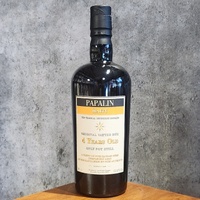
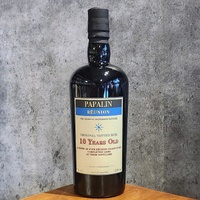
One of the most influential recent releases showcasing Haitian rum is Papalin Haiti, a project created by Luca Gargano of Velier in collaboration with Haitian distilleries.
Papalin blends aged Haitian rums from multiple producers to present a broader view of the country’s rum tradition. The goal is to combine different distillation styles and ageing profiles while maintaining transparency about origin and production.
The resulting spirits balance the vibrant character of cane juice rum with the complexity developed through tropical maturation. Papalin releases have received strong praise from rum enthusiasts and specialist reviewers for highlighting the quality and individuality of Haitian rum.
Providence – A New Haitian Distillery
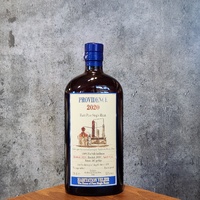
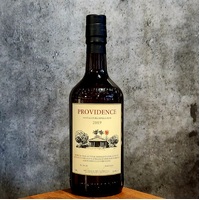
Another important development in modern Haitian rum is Providence, produced at the Distillerie de Port-au-Prince.
Established through a collaboration between the Barbancourt-Linge family and La Maison & Velier, Providence aims to revive Haiti’s cane-spirit heritage within a modern distillery environment.
Providence rum is distilled in copper pot stills from cane juice and cane syrup, producing expressive spirits that combine traditional Haitian character with precise fermentation and distillation control.
Flavour Profile of Haitian Rum
Haitian rum often displays bold and aromatic flavours that reflect its agricultural origins.
Typical characteristics include:
- Fresh sugar cane and grassy aromas
- Tropical fruit such as pineapple, banana and mango
- Herbal and floral notes
- Earthy and mineral undertones
- Spice and oak influence in aged expressions
These flavours make Haitian rum particularly interesting for enthusiasts exploring cane-juice spirits alongside rhum agricole from Martinique and other terroir-driven rum styles.
Haitian Rum at Casa de Vinos
Casa de Vinos offers a growing selection of Haitian rum including bottlings from Papalin and Providence. These releases highlight both the traditional and modern sides of Haiti’s rum tradition.
You can explore the range online or experience these rums by the glass at the Casa de Vinos Lounge in South Melbourne.
For wholesale or trade enquiries please contact wholesale@casadevinos.com.au.