
Japanese Whisky: Regions, Distilleries and How to Choose
Author: Jose Dymenstein Date Posted:13 September 2026
Japanese whisky offers plenty of different places to start: a rounded blend for a highball, a smoky single malt, or a single cask to open with friends. The useful question is what you enjoy drinking and which bottle will give you more of it.
At Casa de Vinos, we have been importing Japanese whisky since around 2014. We visit Japan every year and work directly with producers, including Chichibu, Kanosuke, Yuza and Ikawa, which we import exclusively into Australia. Those relationships have given us opportunities to follow distilleries over successive releases and select casks for Australian whisky drinkers.
This guide introduces some of Japan’s whisky-producing locations, explains the main terms on the label and helps you choose a starting point. You can compare bottles in our Japanese whisky collection as you read.
What does “Japanese whisky” mean?
The Japan Spirits & Liqueurs Makers Association’s published labelling standard provides a useful reference. It specifies grain-based ingredients, including malted grain, and water extracted in Japan; saccharification, fermentation and distillation in Japan below 95% ABV; at least three years’ maturation in Japan in wooden casks of no more than 700 litres; and bottling in Japan at 40% ABV or above. Plain caramel colouring is permitted.
These are the association’s standards, rather than a claim that a Japanese-looking label guarantees the contents. The grain does not have to be grown in Japan. A Japanese producer may also make world blends containing whisky distilled overseas.
For the complete wording, see the JSLMA labelling standard.
Single malt, blended whisky and world blends
Single malt is malt whisky from one distillery. It can bring together several casks and ages: “single” does not mean one cask.
Blended malt combines malt whiskies from more than one distillery. A Japanese brand name alone does not establish where all the components were distilled.
Blended Japanese whisky combines whisky components while meeting the Japanese production requirements. Kanosuke Double Distillery is one example: it brings together Kanosuke single malt and Hioki pot still whisky made with malted and unmalted barley.
World blended whisky includes whisky from different countries. Some Japanese houses make excellent examples; the term tells you that their blending work reaches beyond whisky distilled in Japan.
Ichiro’s Malt illustrates why these distinctions help. The name appears on Chichibu single malts as well as other malt and grain blends. The full name on the bottle tells you which part of the family you are tasting.
Japanese whisky regions: a guide to the geography
The locations below help you place the distilleries on a map. They are not fixed flavour categories. Equipment, fermentation, peat, casks and blending decisions all contribute to the whisky, and two neighbours can make very different spirits.
Hokkaido: Yoichi and Akkeshi
Nikka’s Yoichi Distillery is in western Hokkaido, while Akkeshi is in the east. They offer two points of reference for whisky made on Japan’s northernmost main island.
Akkeshi began distilling in 2016. Its coastal warehouses and use of bourbon, sherry and mizunara casks are part of its approach to maturation. For drinkers interested in peat, it is a producer worth exploring, while remembering that its single malts and blends differ from release to release.
.webp)

Tohoku: Miyagikyo and Yuza
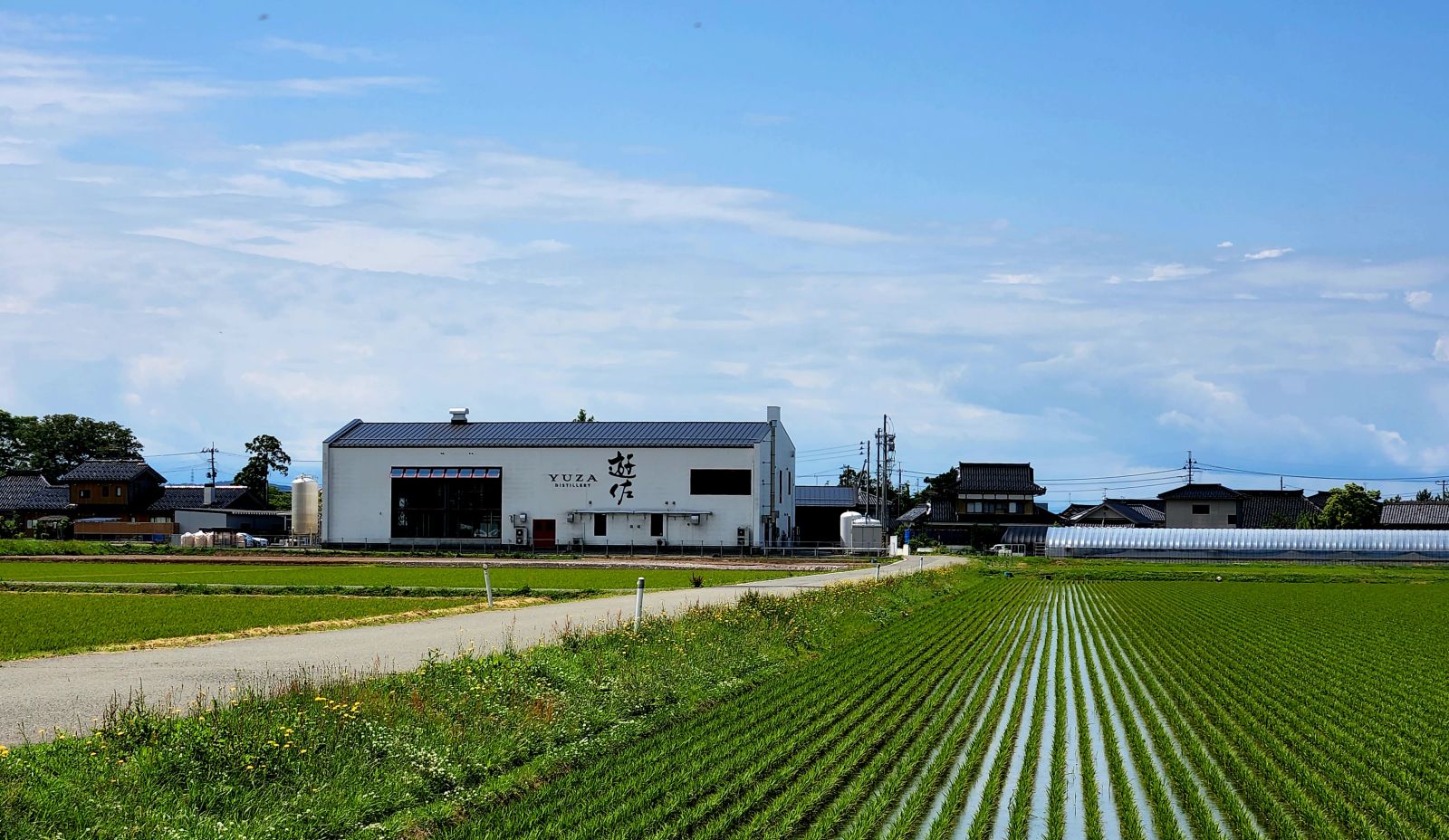
On northern Honshu, Nikka’s Miyagikyo Distillery is in Sendai, Miyagi Prefecture. Across the region, Yuza makes whisky in Yamagata Prefecture.
Yuza began production in 2018 and released its first single malt in 2022. Following a younger distillery over several releases is rewarding: you can compare its developing stocks and the different choices made for each bottling.
Kanto: Chichibu in Saitama
Chichibu is in Saitama Prefecture, north-west of Tokyo. Ichiro Akuto’s whisky-making and blending work has made it a familiar name among enthusiasts.
For a first purchase, distinguish a Chichibu single malt from the wider Ichiro’s Malt range. Then consider what appeals to you: peat, a particular cask type, or a bottling selected for a particular occasion. An interesting bottle can be something to open and share as well as something to collect.
Central Japan: Hakushu, Komagatake, Shizuoka and Ikawa
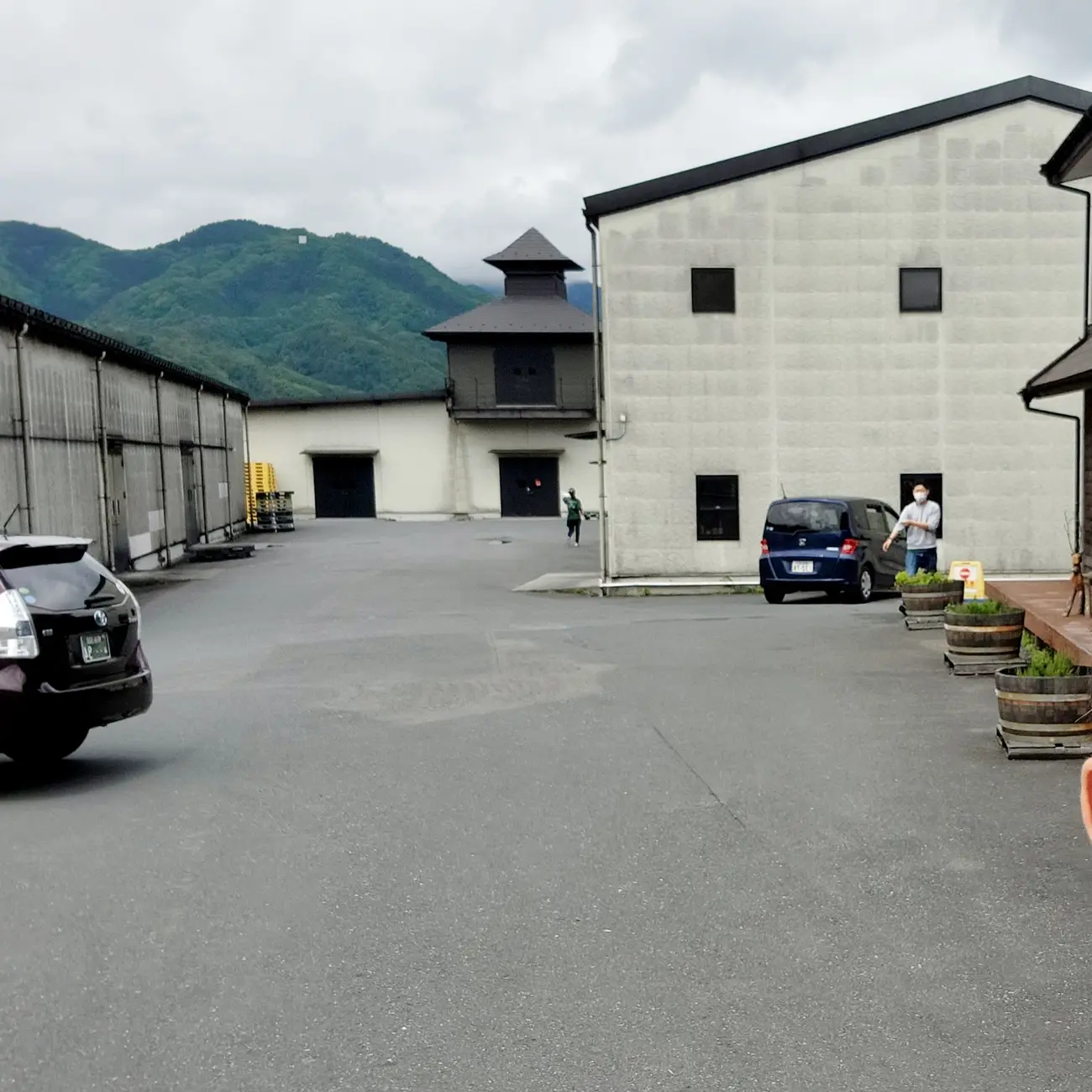
Central Japan includes Suntory’s Hakushu Distillery in Yamanashi and Mars Komagatake Distillery in Nagano. Older bottles and writing may refer to the latter as Mars Shinshu; the distillery’s name changed in March 2024.
Shizuoka Prefecture is home to both Gaiaflow Shizuoka Distillery and Ikawa. They are separate producers. Ikawa opened in November 2020 at around 1,200 metres in the Southern Alps, where it takes a long-term approach to maturation in a cool, humid mountain environment.
Why make whisky at 1,200 metres? Read Ikawa: Making Whisky Close to the Sky for a closer look at the mountain setting, local forest and production choices behind its whisky.
Kansai: Yamazaki
Suntory’s Yamazaki Distillery is in Shimamoto, Osaka Prefecture, near Kyoto. It belongs in any introduction to Japanese whisky alongside the newer producers.
Established distilleries are useful reference points, but the producer’s name is only the beginning. Different casks and bottlings can show quite different sides of the same spirit.
Kyushu: Kanosuke and Tsunuki
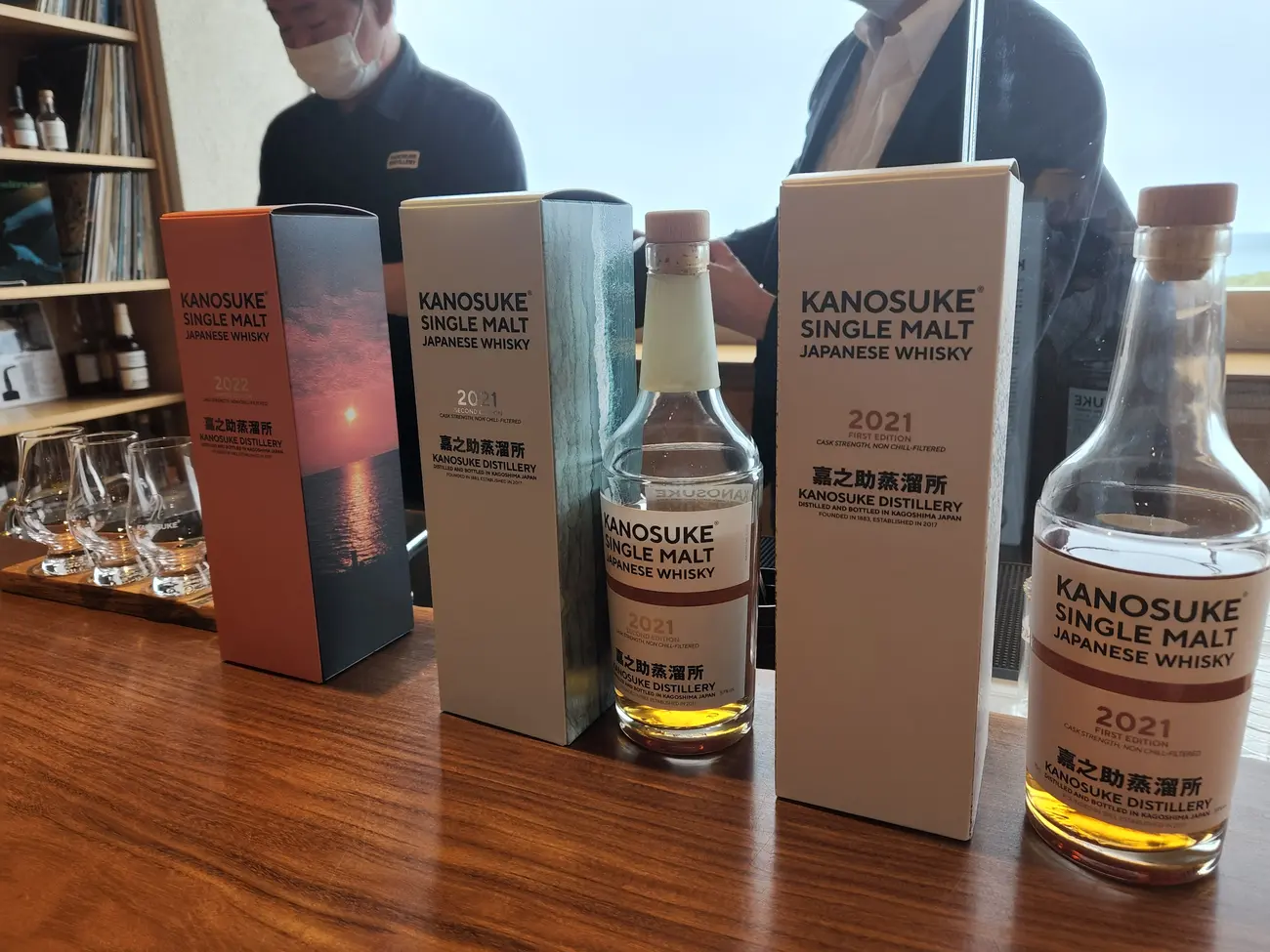
In Kagoshima, Kanosuke draws on the Komasa family’s shochu-making experience. Its three differently shaped pot stills and varied cask selection give the team several ways to develop flavour and texture.
The wider family range includes Hioki pot still whisky and Double Distillery alongside Kanosuke single malt. Mars also operates Tsunuki Distillery in Kagoshima. Southern Japan therefore offers several different production stories rather than one southern whisky style.
What about mizunara and Japanese-grown barley?
Mizunara oak and locally grown barley give distillers additional materials to work with. They are useful details to explore, rather than guarantees of quality or requirements for Japanese whisky.
Kanosuke’s Kagoshima Exclusive is a specific example of locally grown Hoshun barley malted using the company’s Hioki Malting process. This does not mean every Kanosuke release uses the same barley.
For mizunara, ask whether the whisky spent its maturation in those casks, received a finishing period, or includes a proportion of mizunara-matured whisky in a larger blend. Those are different approaches, and the word on its own does not tell the whole story.
How to choose your next bottle
Start with flavours you already enjoy
If you enjoy fruit and gentle sweetness, look for tasting notes describing orchard fruit, vanilla or honey. For richer flavours, consider dried fruit, spice and fuller oak influence. If smoke appeals, choose an expression described as peated.
These are starting points for comparison. The bottle’s tasting notes are more useful than assuming every whisky from one region will taste alike.
Decide how you will drink it
For highballs, choose a whisky whose flavour you enjoy with soda and a price that suits regular pouring. For drinking neat, think about texture, cask influence and how much strength you prefer. Higher strength gives you room to add water; it does not automatically make a better whisky.
For a gift, tell us what the recipient already drinks and your budget. A bottle suited to their taste is a more useful starting point than rarity alone.
Treat age and cask details as clues
Age tells you something about time, but not everything about flavour. Cask type, bottling strength and the balance between spirit and oak also matter. Single casks are particularly useful when you want to explore one selection in detail; a carefully assembled blend offers a different pleasure.
Japanese whisky at Casa de Vinos
Our Japanese whisky range brings together established producers, smaller distilleries, blends and individual cask selections. Ask us about the differences between bottles, or tell us what you already enjoy and we can help you narrow the choice.
We also run Japanese whisky tastings at Casa de Vinos Lounge. Tasting several whiskies together is one of the most useful ways to discover whether it is peat, texture, cask influence or a particular producer that keeps drawing you back.