Rum is one of the most diverse spirit categories in the world, which is precisely why buying it by colour, age or price alone rarely works. Two bottles labelled “dark rum” may have almost nothing meaningful in common. One may be a light-bodied blend shaped largely by cask and colour; another may be a high-strength pot-still rum carrying the unmistakable character of its fermentation and place of origin.
At Casa de Vinos, we prefer to begin with the information that genuinely changes what is in the glass: where the spirit was fermented and distilled, whether it began with cane juice, cane syrup or molasses, how it was distilled and matured, and who selected or bottled it. Once those pieces are clear, choosing rum becomes much less mysterious—and much more rewarding.
If you would rather begin with the bottles, browse our complete Rum & Rhum collection. If you want to understand the category before deciding, this guide will give you the framework we use ourselves.
Start with the drinker, not the colour
The quickest way to narrow the field is to decide what you want the bottle to do. Are you looking for an expressive spirit to taste neat, a dependable cocktail bottle, a gift for a whisky drinker, or a rare release with a detailed distillery and cask story?
For neat drinking, look for transparency: a named producer or distillery, a meaningful origin, useful production information and a bottling strength appropriate to the drinker. For cocktails, intensity and structure are often more useful than age. For gifting, a clear story and an accessible flavour profile matter more than an impressive-looking number on the label. For collecting, provenance and exact release information should carry more weight than broad claims of rarity.
Colour is a poor shortcut. White rum can be immensely aromatic and technically fascinating; dark colour does not prove great age; and an old rum is not automatically more characterful than a younger, high-quality spirit. Begin with purpose, then examine how the rum was made.
Choose rum by origin
Origin is one of the most useful starting points because it connects the spirit to a production culture, local rules and a group of producers. It should not be treated as a guarantee of one flavour, but it gives you a far better foundation than colour alone.
Jamaica: aromatic power and production detail
Jamaican rum can range from approachable blended bottles to intensely aromatic pot-still releases. Fermentation practice, distillery marks and ester levels can make the category especially rewarding for drinkers who enjoy technical detail and forceful flavour.
Expect the possibilities—not a universal checklist—to include ripe or fermented tropical fruit, spice, olive, brine, varnish-like notes and considerable weight. Producers such as Hampden Estate are natural reference points when you want to understand why serious rum drinkers pay close attention to fermentation and distillery marks.
Martinique: cane, place and appellation
Martinique rhum is a logical destination for drinkers interested in fresh cane juice and a strong connection between agriculture, origin and production. Rhum de la Martinique is governed by a detailed Appellation d’Origine Contrôlée framework; qualifying bottles are not simply “French-style rum” but spirits made within a protected system.
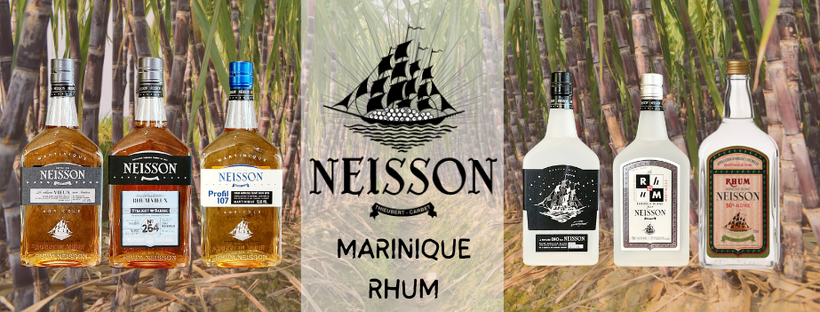
White expressions can be vivid, structured and exceptionally useful in a Ti’ Punch, while matured rhum can show spice, fruit, oak and savoury complexity. Our Neisson collection provides a particularly useful producer pathway through blanc, organic, rested and mature expressions.
Barbados: balance without a single stereotype
Barbados rum often attracts whisky drinkers because well-documented releases can offer a clear relationship between distillate, maturation and blending. Pot- and column-still components may be used together, but the exact composition belongs to the individual bottle rather than the island as a whole.
Look for the producer, still information, age statement, cask history and bottling strength. The best choice is the bottle whose structure suits your palate, not the one that most closely matches a broad regional stereotype.
Haiti: clairin and distinct cane traditions
Haitian rum and rhum can lead into clairin, local cane varieties and small-scale production traditions, as well as more contemporary distillery projects. Raw material must be checked bottle by bottle: some spirits use fresh cane juice, while others may use cane syrup. “Clairin” should not be flattened into a universal production formula.
Australia and the wider rum world
Australian rum offers both established and newer interpretations of cane spirit, distillation and maturation. Beyond the principal historic origins, our Other World Rum selection reaches into countries and traditions that do not yet warrant a standalone Casa category.
This broader route is worth taking when you want to compare cane spirits from Africa, Asia, Latin America, the Pacific and less familiar parts of the Caribbean. Treat each bottle on its own evidence: country alone will not tell you the substrate, still, maturation or flavour.
Cane juice, cane syrup or molasses?
Rum may begin with fresh sugar-cane juice, cane syrup or molasses. This choice matters, but it is only the beginning of the story.
Fresh cane juice
Fresh juice is perishable, so production usually remains closely connected to the cane harvest and crushing. These spirits can show herbal, floral, saline, fruity, earthy, peppery or fermented characteristics, but “grassy” is not a compulsory tasting note. Cane variety, fermentation, still design, resting and maturation can move the profile in very different directions.
Our Agricole collection is the practical shopping route for this part of the category. It includes rhum agricole alongside other verified cane-juice traditions. Experienced drinkers will understand the shorthand; the individual bottle page provides the exact identity.
Cane syrup
Cane syrup is made by concentrating cane juice. It is materially different from fermenting fresh juice directly, even where it belongs to a respected local tradition. When syrup is relevant, look for producer-specific information rather than assuming the spirit will behave like either agricole or molasses rum.
Molasses
Molasses is central to many of the world’s great rum traditions, including celebrated releases from Jamaica, Barbados, Guyana and Trinidad. It does not automatically mean sweet, heavy or inexpensive. Fermentation, still type, distillation strength, maturation and blending determine far more than the raw material alone.
Fermentation and distillation shape the spirit
If raw material tells you what entered fermentation, production tells you how the producer built character.
Fermentation
Fermentation may be short and controlled or extended and highly character-forming. Yeast, bacteria, temperature, vessel design and duration can influence the acids and aromatic compounds available during distillation. In intensely aromatic Jamaican rum, fermentation and distillery mark can be more informative than colour or age.
Pot and column stills
Pot stills are often associated with weight and concentration, while column stills can produce spirits ranging from characterful to very light. Neither still type is a quality ranking. Column design, plate count, reflux and distillation strength matter, as does the producer’s intention.
Some producers combine pot- and column-still components to build balance. A blend can therefore be a deliberate composition of textures and aromas rather than a compromise. When a label uses terms such as “pure single rum”, “single blended rum” or “traditional column”, read the exact definition supplied for that release.
Age matters—but not in isolation
Age statements attract attention because they look easy to compare. Rum is rarely that simple.
Climate changes the pace and character of maturation. A spirit aged in a tropical warehouse will not develop in precisely the same way as one matured in a cooler continental climate. Cask species, previous contents, refill history, warehouse position and bottling strength can all matter as much as the number of years.
When buying aged rum, ask:
- Where did maturation take place?
- Was the full maturation tropical, continental or divided between locations?
- What type of cask was used, if disclosed?
- Does the stated age apply to the youngest component?
- Was the spirit bottled by the producer or an independent bottler?
- Does the bottling strength suit how you intend to drink it?
A younger rum with distinctive fermentation and careful maturation may be more exciting than an older bottle built around oak alone. Buy the production story and drinking profile, not the number in isolation.
How to read a rum label
A good rum label can tell you a great deal, but only if you separate the different roles behind the bottle.
- Origin: where the spirit was fermented and distilled.
- Producer or distillery: who made the spirit.
- Brand or range: the commercial identity under which it is sold.
- Bottler or selector: who selected, matured, blended or bottled the release.
- Raw material: cane juice, cane syrup or molasses, where stated.
- Still or classification: the production information attached to that exact release.
- Age and vintage: when it was distilled and the age of the youngest component, where applicable.
- Maturation: location, cask and finishing information, where verified.
- Strength: standard proof, overproof or cask-strength presentation.
This distinction is especially important with independent bottlings. Velier, for example, is not one rum distillery. Its name may appear as bottler, selector, distributor or brand owner across releases from different producers and countries. Likewise, a Caroni bottle should distinguish the closed Trinidad distillery from the company that later selected and bottled the cask.
When producer and bottler roles are clear, you can compare like with like. Our Important Rum Brands section is designed to make those pathways easier to follow.
What rum should a whisky drinker buy?
Whisky drinkers often enter rum through familiar signals: age, cask type, distillery, vintage and bottling strength. Those are useful, but rum becomes more interesting when you also pay attention to fermentation, raw material and the relationship between producer and bottler.
- If you enjoy cask-strength whisky: look for full-strength, single-cask or limited rum with transparent distillery and maturation information.
- If you enjoy Islay or savoury whisky: intensely aromatic Jamaican rum, agricole or characterful cane-juice spirits may offer the tension and individuality you want, without tasting like whisky.
- If you enjoy elegant bourbon-cask malt: consider balanced Barbados rum or a well-composed mature blend where oak supports rather than buries the spirit.
- If you enjoy independent bottlers: follow the distillery, vintage, cask and selector through houses such as Velier and other specialist bottlers.
- If you enjoy distillery comparisons: Jamaican marks, Martinique producers and historic Guyanese stills can provide years of rewarding exploration.
The aim is not to find rum that imitates whisky. It is to use your existing preferences as a bridge into rum’s own language.
Choose rum by occasion
For sipping neat
Prioritise identity and balance. A sipping rum does not need to be old, dark or sweet. Look for a bottle with enough detail to understand its origin, producer and method, then choose a strength you will enjoy spending time with.
For cocktails
Choose structure according to the drink. An aromatic Jamaican rum can remain vivid through citrus and sugar; agricole can bring dry cane character to a Ti’ Punch or Daiquiri variation; a balanced aged rum can give stirred drinks depth without excessive heaviness. “Mixing rum” should describe fitness for purpose, not inferior quality.
For gifting
Match the bottle to the recipient’s palate and curiosity. For an experienced spirits drinker, a named distillery, transparent age or distinctive production tradition usually makes a better gift than generic luxury packaging. For someone newer to rum, choose a clear regional or producer story and avoid extreme proof unless you know they enjoy it.
For collecting
Look for provenance, release identity, condition and trustworthy production details. Closed distilleries, finite casks and historic vintages can be compelling, but rarity should never replace understanding. Buy bottles with a clear reason to exist, whether you intend to open them now or preserve them as part of a collection.
The Casa de Vinos quick guide to buying rum
- Decide the job: sipping, cocktails, gifting, collecting or exploration.
- Choose an origin: begin with a country or protected regional tradition.
- Check the cane source: juice, syrup or molasses, where verified.
- Find the actual producer: separate distillery, brand, bottler and selector.
- Read the production details: fermentation, still and classification where supplied.
- Assess maturation: age, climate, cask and location rather than age alone.
- Choose the strength: make sure the proof matches the drinker and occasion.
- Ignore lazy shortcuts: colour, sweetness and price do not define quality by themselves.
Where to begin at Casa de Vinos
Start with all Rum & Rhum when you want the full collection in view. Narrow by Jamaica, Martinique, Barbados, Haiti or Australia when place is your strongest clue. Choose Agricole when cane-juice spirits are calling, or move into Important Rum Brands when you already know the producer or bottler you want to follow.
Rum rewards curiosity, but it should not require guesswork. Read beyond the colour, follow the origin and production details, and choose the bottle whose story makes sense for the way you intend to drink it.