Kanosuke Distillery and the Shape of Modern Japanese Whisky
Author: Jose Dymenstein
Japanese whisky does not need much help attracting attention. The useful question is which distilleries deserve a closer look once the noise falls away.
Kanosuke is one of them. Based in Hioki on the west coast of Kagoshima, it began whisky production in 2017 under Komasa Jyozo, a family producer whose roots in Japanese spirits reach back to 1883. That history matters: Kanosuke is not simply applying a borrowed whisky template in Japan. It is building a house style from generations of experience with fermentation, distillation and cask maturation.
The result is modern Japanese whisky with a clear identity—typically fruit-led, rounded and precise, with enough variety across the range to reward more than one bottle.
A young distillery with deep roots
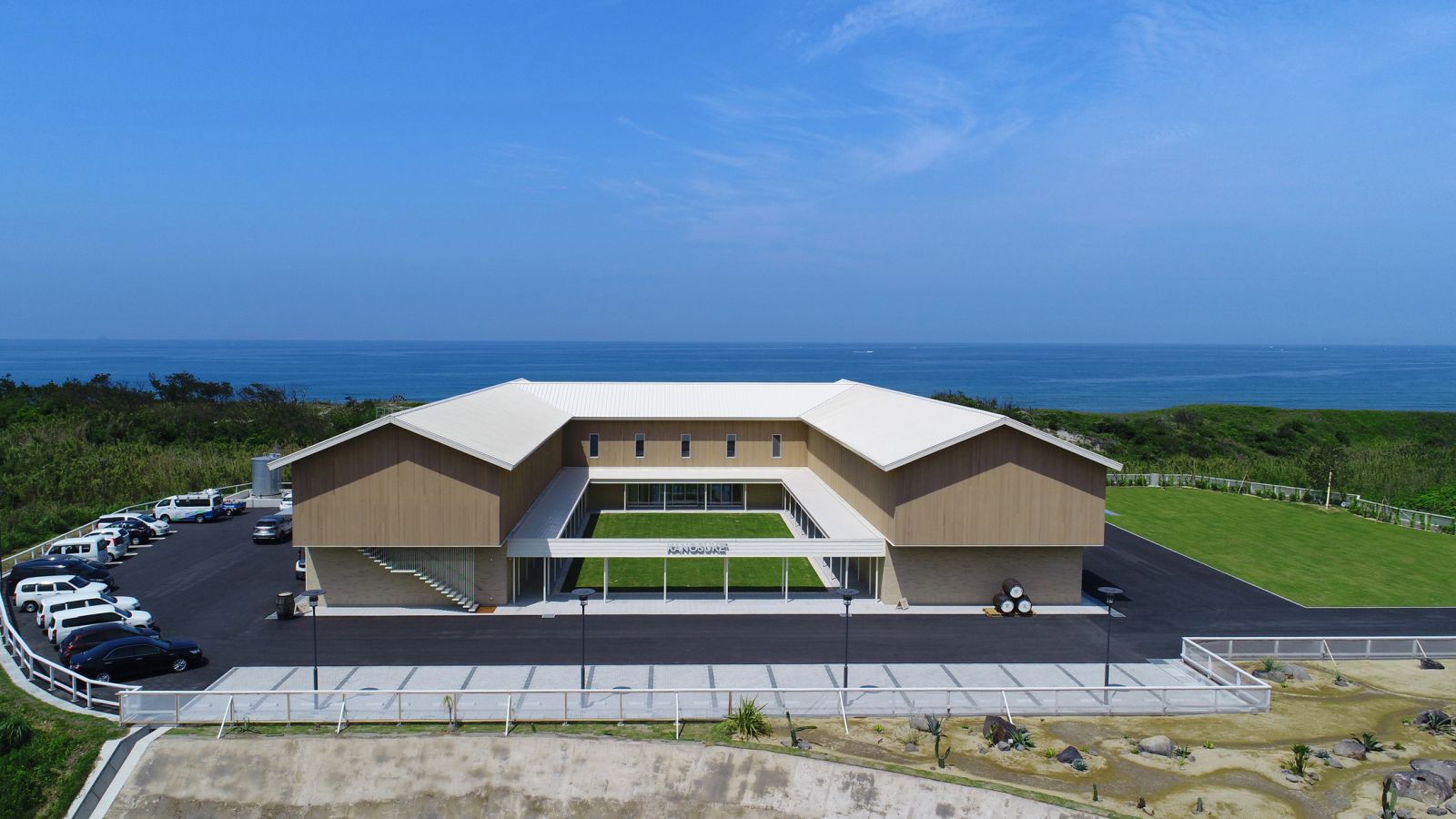
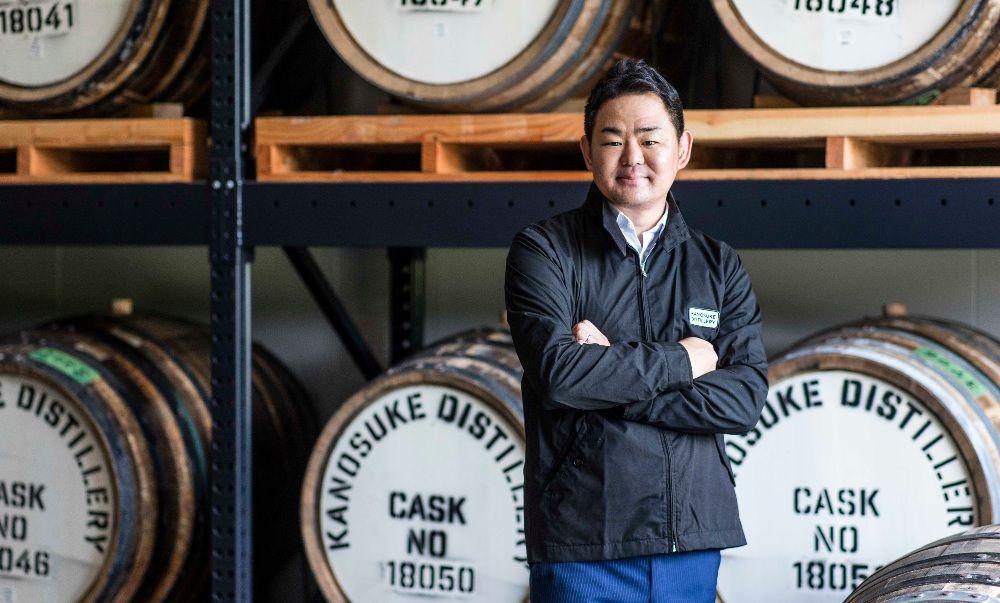
Kanosuke Distillery stands close to Fukiagehama Beach, facing the East China Sea. Kagoshima's warm summers, cooler winters and coastal conditions form part of the maturation environment, but the family story reaches well beyond the distillery's 2017 opening.
Komasa Jyozo began in 1883 and developed a long specialisation in shochu. In 1957, second-generation distiller Kanosuke Komasa released Mellowed Kozuru, a rice shochu aged in oak. The present distillery carries his name, and its approach connects that history of Japanese distilling with contemporary whisky production.
Why Kanosuke's three pot stills matter
At the centre of Kanosuke's production are three copper pot stills with different shapes and lyne-arm angles. Used in different combinations, they allow the team to produce a wider range of new-make character than a conventional two-still arrangement.
That flexibility helps explain the balance found across the range. One release may emphasise bright fruit and lift; another may carry more weight, spice or texture. The cask can change, but a composed quality usually remains underneath it.
Long fermentation adds another layer, while maturation takes place across different environments and cask types. Ex-bourbon barrels are important, as are sherry casks and re-charred casks that previously held the family's rice shochu.

Shochu heritage in the cask
The shochu connection is more than background. Komasa Jyozo's experience with oak-aged rice shochu gives Kanosuke access to both established maturation knowledge and a distinctive cask resource.
Re-charred shochu casks can contribute sweetness, spice and texture without simply recreating familiar bourbon- or sherry-cask profiles. They give Kanosuke a meaningful link to Kagoshima's own spirits culture and help its whisky speak with a Japanese accent of its own.
Kanosuke and Hioki: two sides of the family
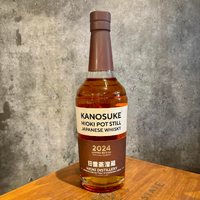
Kanosuke Distillery's malt whisky is distinct from the whisky made at Hioki Distillery, another Komasa Jyozo site in Kagoshima. Hioki Pot Still uses malted and unmalted barley and production methods informed by the company's shochu expertise. Its profile can be creamier, more robust and more overtly grain-led than Kanosuke single malt.
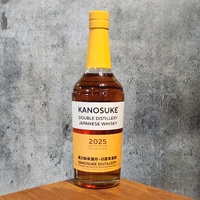
The two streams can also meet. Double Distillery releases combine whisky from Kanosuke and Hioki, giving the blending team a larger flavour vocabulary while keeping the story rooted in the same family and region.
How to choose a Kanosuke whisky
There is no single "best" Kanosuke. The most useful starting point is the style you already enjoy.
Kanosuke Single Malt: the house introduction
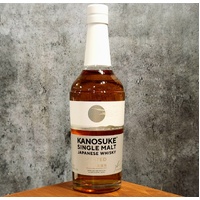
Start with Kanosuke Single Malt if you want the clearest view of the distillery itself. It is the natural benchmark for the house style: balanced fruit, measured oak and a soft, rounded profile.
Kanosuke Peated: fruit with controlled smoke
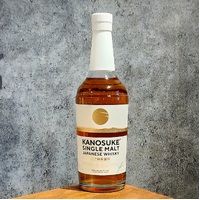
Kanosuke Peated Single Malt is the better choice if you enjoy smoke but don't want peat to dominate the whisky. It keeps Kanosuke's polish and fruit in view while adding a savoury, smoky layer.
Kanosuke Sherry Cask: darker and richer
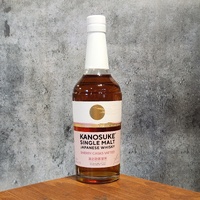
Choose Kanosuke Sherry Cask Vatted Single Malt if your preference runs toward dried fruit, baking spice and richer cask influence. If you already enjoy sherry-matured Scotch, it's a useful way to see how Kanosuke handles the style.
Hioki Pot Still: the most distinctive detour
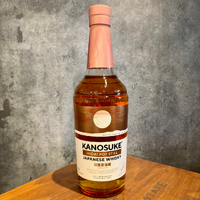
Kanosuke Hioki Pot Still is the choice if you're curious to understand the family's shochu heritage from another angle. The use of unmalted barley and a different production setting gives it a character distinct from the single malts.
Double Distillery: the broader Kagoshima picture
Kanosuke Double Distillery brings Kanosuke and Hioki spirit together. It suits you if you're interested in blending and in how two related distilleries can create something broader than either component alone. Limited editions may differ, so the individual product page remains the best source for the composition of a particular release.
Is Kanosuke worth following?
Kanosuke is worth attention because the production story is visible in the glass. The three-still system provides genuine flexibility. Shochu heritage informs both technique and maturation. Hioki adds another distinctive spirit style. None of these details would matter without good whisky, but together they explain why the range can feel coherent without becoming repetitive.
If you're already into Japanese whisky, Kanosuke offers a chance to follow a house style as it develops. If you're coming from Scotch, it offers familiar reference points—single malt, peat and sherry casks—without presenting itself as a copy of Scotland.
Shop Kanosuke at Casa de Vinos
See the full Kanosuke whisky collection for the bottles currently available at Casa de Vinos, or compare the distillery with our wider Japanese whisky range. Product pages provide the precise release, cask, strength and availability details for each bottle.